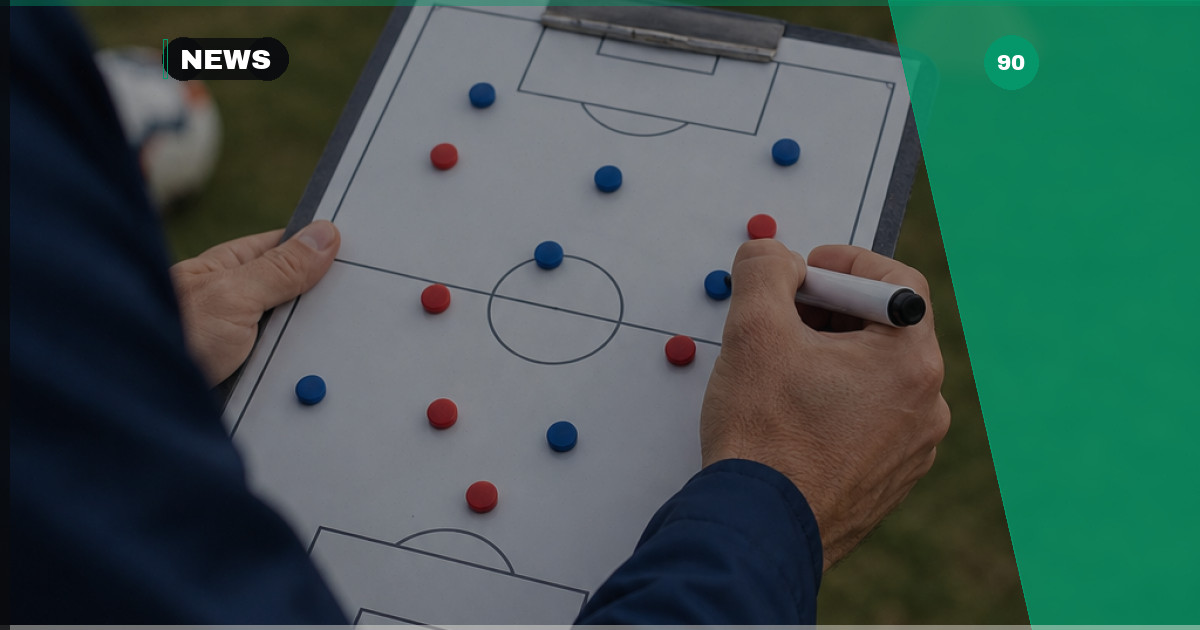
Roberto Mancini has been officially appointed as Italy head coach, returning to the national team bench three years after his previous spell ended, and Football Italia has opened the debate with a simple question: is he the best man for the job?
The appointment immediately reframes Italy’s short-term priorities: stabilising the environment around the squad, clarifying a tactical identity, and rebuilding trust with supporters who still associate Mancini with a high point of the modern era. But it also invites scrutiny over whether a return to a previous coach is the boldest path forward, or a sign that the federation is seeking certainty in a period of turbulence.
Why Mancini’s return matters now
Mancini is one of the most recognisable coaching figures in Italian football, and his reappointment brings instant familiarity to a dressing room that has been through a rapid succession of ideas and leadership styles. The key point, as confirmed by Football Italia’s reporting, is that this is not a caretaker move: Italy have made a definitive choice to hand the project back to Mancini.
From a sporting perspective, the attraction is obvious. Mancini’s teams are typically built on structured possession, aggressive counter-pressing phases, and a preference for technical midfielders who can play through pressure. That profile can be particularly valuable for an international side, where training time is limited and clarity can be the difference between coherence and chaos.
From a political perspective, the decision is also significant. A returning coach arrives with a ready-made reference point: the public already knows what “Mancini’s Italy” looks like in terms of tone, selection logic and in-game management. That can calm the noise quickly—if results cooperate.
Infographic-style facts
Appointment status: Official (per Football Italia)
Coach: Roberto Mancini
Role: Italy head coach
Context: Return after three years away from the national team bench
Debate driver: Fan poll launched by Football Italia
The case for: continuity, credibility, and a defined style
The pro-Mancini argument starts with continuity. International football often rewards teams that can land on a stable framework and refine it, rather than reinventing the wheel every window. Mancini’s return offers a shortcut to that stability, because he already knows the federation, the media landscape and the unique pressures that come with the national team job.
There is also credibility. A coach with Mancini’s profile can command immediate respect, and that matters when you are trying to set standards quickly—on the pitch and in camp. For players, it can be easier to buy into a plan when it comes from a coach whose methods are already proven at the highest level.
Finally, there is the argument of identity. Italy’s most successful international sides have tended to be those with a clear, repeatable idea—whether that is defensive control, midfield dominance, or a well-drilled pressing scheme. Mancini’s appointment signals a desire to return to a recognisable blueprint rather than continuing to experiment.
- Stability: A known quantity in a high-pressure role
- Clear tactical principles: Less time wasted on adaptation
- Instant authority: Helps set standards and reduce uncertainty
The case against: is going back the same as moving forward?
The counter-argument is not about Mancini’s stature—it is about whether a return appointment is the best strategic choice for a national team that needs to evolve. Football moves quickly. Opponents adapt, player pools change, and what worked previously does not automatically translate to the next cycle.
Critics of “going back” will ask whether Italy should have used this moment to appoint a coach with a fresh set of ideas, or one more aligned with the next generation coming through. They will also point to the risk of narrative: if results start poorly, the story can quickly shift from “safe hands” to “no new answers.”
That is why Football Italia’s poll resonates: it captures a genuine split in how supporters view national-team building. Some prioritise the shortest route to coherence; others want a long-term reset that comes with a new voice.
What happens next
With Mancini officially in place, the next phase is practical rather than theoretical: selecting squads, defining roles, and setting the tone in the first camps. The early weeks will also shape public perception. A strong start can turn the appointment into a unifying storyline; a shaky start will intensify the question posed by Football Italia—whether this was the best available option.
For more national-team coverage and context, readers can follow updates via International football and Italy-related news on Italy.
“Roberto Mancini is officially back on the Italy bench after three years.” — Football Italia
Source: Football Italia
Discussion
Be the first to comment
No comments yet
Be the first to share your thoughts on this article. Start the conversation!