
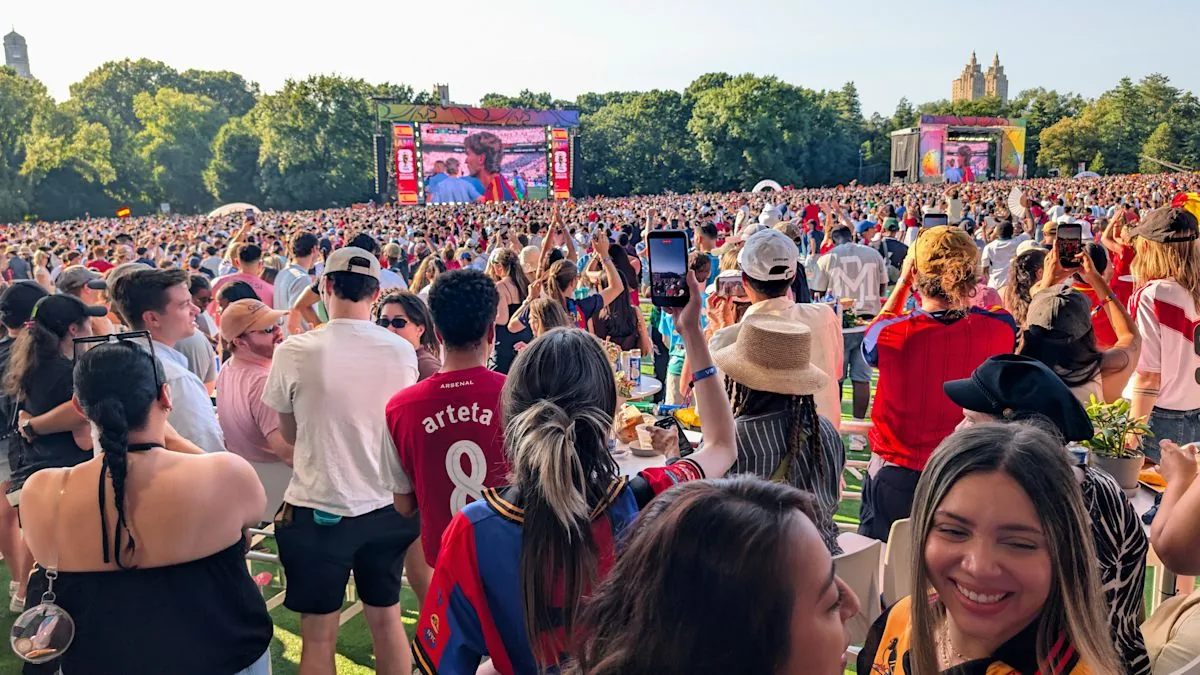
The tournament became a social media event as much as a soccer one
NEW YORK, NY — The 2026 FIFA World Cup ended on July 19, but the online conversation has kept going. Fans from across the globe spent more than a month moving through the United States, Mexico and Canada, and their posts turned the tournament into a nonstop stream of reactions, jokes and travel stories.
What started as a soccer competition quickly became a sprawling cultural moment. The matches mattered, but so did the side quests: packed streets, dancing crowds, unexpected friendships and plenty of clips from places that had little to do with the box score.
American places and habits became part of the story
One reason the World Cup connected so strongly online was that visitors kept encountering everyday American life in ways many had not expected. Buc-ee’s, Walmart, Waffle House, ranch dressing and roadside diners all became part of the fan experience.
Supporters posted about tailgates, chain restaurants, gas stations and spontaneous hospitality from locals. In many clips, the soccer was still there, but the memorable part was the setting: boats, ranches, bars and neighborhood street parties that gave the tournament a distinctly North American feel.
Fans helped turn stadium buzz into a continent-wide feed
This World Cup was the largest ever staged, with 48 teams and 104 matches across 16 host cities in the United States, Mexico and Canada. FIFA said the tournament drew about 4.4 billion searches and produced more than 20.5 million Instagram posts and 11.3 million TikTok posts.
The digital footprint helped push the event far beyond the stadiums. A goal, a save or a final whistle still mattered, but so did the shaky phone videos of strangers celebrating together in the street, singing in bars or reacting to foods and customs they had never tried before.
Early concerns about scale and logistics faded once the crowds arrived
Before kickoff, the tournament faced plenty of skepticism. Ticket prices were high, some venues looked sparse early on and the distances between host cities raised questions about whether the event could create the close-knit atmosphere fans usually associate with a World Cup.
There were also concerns about safety, travel and whether a tournament spread across three countries could still feel intimate. Once the matches got going, though, the empty-seat chatter gave way to images of full stadiums and lively public spaces.
The biggest moments happened off the field too
Some of the most shared clips had little to do with the actual result of a game. Fans recorded first tastes of ranch, rival supporters meeting at tailgates and bars erupting into song. One recurring example was “Take Me Home, Country Roads,” which showed up in crowd videos as visitors joined in without needing much explanation.
Those moments gave the tournament a broader appeal, even for people who did not normally follow soccer closely. Social feeds were full of people saying they had become emotionally invested in matchday rituals, country-specific fan traditions and the friendships that formed around them.
The post-World Cup mood says as much as the highlights do
As the final week arrived, many fans were already posting about a strange kind of letdown. Commenters described feeling empty as the daily rhythm of matches, group chats and watch parties came to an end. Some called it “World Cup ending anxiety,” a feeling that captured how quickly the event had become part of summer life.
The lasting impression is bigger than soccer alone. For many visitors, the 2026 World Cup became a chance to see North America up close, and for American fans it offered a rare global party that mixed sport, travel and local culture on a massive scale.
What the 2026 World Cup will be remembered for
The tournament will be remembered for the results, but also for the way social media widened its reach. Instead of staying inside stadiums or TV broadcasts, the World Cup played out in real time on phones, where supporters documented everything from street celebrations to ordinary moments that suddenly felt special.
That is why the tournament still feels alive online. The games are over, but the clips of fans discovering America, meeting strangers and building temporary communities have kept the World Cup in circulation long after the trophy lift.
Leave a Reply